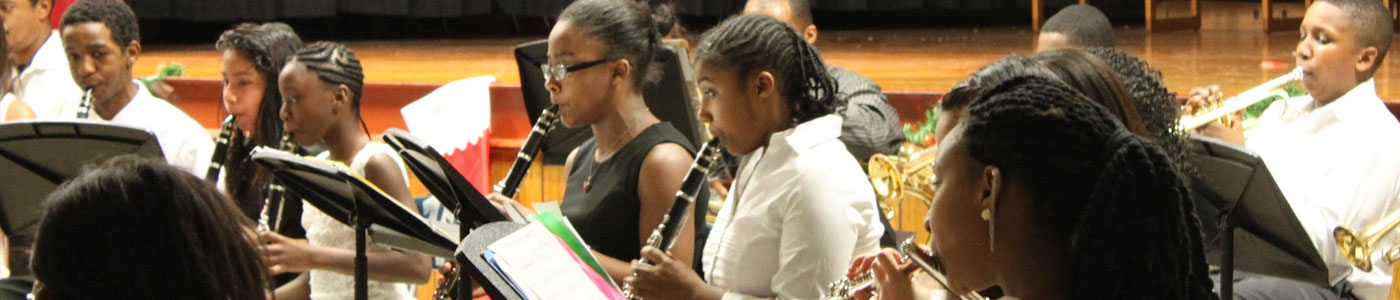

MAEC provides youth leadership development through our 21st Century Community Learning Center (21st CCLC) project which focuses on academics, enrichment, character education, college/career readiness, STEM, Math, English and Language Arts, and mentorship. The 21st CCLCs enables youth to work collaboratively with families, school staff, and community leaders to increase academic achievement and address challenges they face in their daily lives. Youth participate in project based learning, mentorship opportunities, and civic engagement to provide a platform for their concerns and highlight solutions within the communities they reside.

Achievement Linking Innovation, Vision, and Engagement (ALIVE)
MAEC works with secondary schools to develop proposals for a 21st CCLC grants to fund out-of-school time programs. Our programs deliver academics, enrichment, STEM, mentoring, character education, arts, and family engagement to high-need students in a culturally responsive and supportive environment.
Community Resource Mapping
Since best solutions and ideas often arise within the communities in which our schools are located, our key stakeholders include: districts, schools, communities, and families. Together they are seeking to increase student achievement while building a cadre of future leaders. Using a strengths-based approach for asset mapping, MAEC conducts community walks and community resource mapping to identify potential strategic partners for effective and efficient delivery of services. This process includes attention to alignment between district and school priorities so, together, partners can build the social and human capital that will help students and staff thrive.
Educational/Cultural Field Trips for Youth and Families
MAEC works with schools to develop educational/cultural field trips for youth and families that promote college and career readiness, STEM and civic responsibility. Past examples of previous trips include: visits to colleges/universities such as Bowie State University, Columbia University, Johns Hopkins University, Morgan State University; the Congressional Black Caucus, the Apollo Theatre, the National College Fair and the Independence Seaport Museum of Philadelphia.
ALIVE @ Col. E. Brooke Lee Middle School (Montgomery County Public Schools)
ALIVE @ Lee MS provides 25 sixth-graders with academic support in English Language Arts and Math as well as enrichment activities that include: chess and a variety of strategic games, character education, mentoring, and arts in a project based environment. Families of ALIVE students are also offered opportunities to learn about community resources and provide service learning to the community. ALIVE builds strong partnerships with parents and other family members to support their children's education. ALIVE proudly partners with organizations including Spilling Ink to provide a robust variety of enrichment opportunities for students and families. ALIVE is a 21st Century Community Learning Center (CCLC) funded by the Maryland State Department of Education.
ALIVE @ Dunbar High School (Baltimore City Public Schools)
ALIVE @ Dunbar High School provides 75 students in grades 9-12 with the opportunity to participate in Math and English academic tutoring, STEM, college and career readiness, character education, service learning, youth development, hands-on job training, and other enrichment activities. Families are engaged through author talks, parent/child cultural field trips resource fairs, and workshops designed to meet the needs of the community. ALIVE @ Dunbar proudly partners with: African American Tourism Council, Empowerment Temple Church, Johns Hopkins School of Medicine and Nursing, Junior Achievement, Kiamsha/Pen or Pencil, and Science Engineering, Mathematics and Aerospace (SEMAA) at Morgan State University to provide a dynamic program for our students. This 21st Century Community Learning Center (CCLC) is funded by the Maryland State Department of Education.
ALIVE @ Thurgood Marshall Middle School (Prince George’s County Public Schools)
ALIVE @ TMMS provides 100 students in grades 6-8 with academic support, STEM, chess, character education, mentoring, arts, college/career readiness, health and fitness, and academic tutoring in a project based environment. Families of ALIVE students are also offered opportunities to learn about community resources, financial literacy, receive free GED/ESOL classes, and build strong partnerships with ALIVE and TMMS staff to support their children's education. ALIVE proudly partners with District Heights Family & Student Services, Kiamsha/Pen or Pencil, St. Stephen's Church, Community of Hope Church, Maryland-National Capital Parks and Planning Commission, Glassmanor/Oxon Hill Transforming Neighborhoods Initiative, and Prince George's Community college to provide a robust variety of enrichment opportunities for students and families. This 21st Century Community Learning Center (CCLC) is funded by the Maryland State Department of Education.
 Amplifying Family Voice in OST
 Amplifying Family Voice in OST
 MAEC's Tools and Resources for Out-of-School Time Providers of one-page resources brings together practical strategies and lessons from OST practitioners and experts. The series covers topics including program quality and equity, family engagement, mental wellness, positive youth development, and school-community partnerships. Each resource summarizes key takeaways, actionable strategies, and additional resources to support OST providers in their work with youth and families. See also:
- Ensuring Program Quality & Equity in OST
- Mental Health & Trauma Supports
- Positive Behavioral Interventions and Supports (PBIS)
- How School and Community Partners Can Work Together in OST
Amplifying Family Voice in OST
What providers should know
- Access to out-of-school time (OST) programs is limited due to high demand, program costs, and lack of transportation. These barriers are especially challenging for low-income families.
- Family voice is essential to OST program success and sustainability. By sharing their stories and experiences, families can help recruit more program participants, influence policy, and funding. Families can provide valuable input on OST programming based on their knowledge of their children’s needs and assets.
- OST programs should address family needs such as limited time, transportation challenges, language barriers, and a lack of trust.
Strategies for OST providers
Incorporate advocacy into family engagement.- Use events like Lights On Afterschool to showcase impact and build community support for OST programs.
- Provide parents with data and talking points to advocate for OST funding.
- Align events and activities with family schedules and interests (e.g., fall festivals, trunk-or-treats).
- Center events around youth or the whole family.
- Offer food, childcare, and translation to reduce participation barriers.
- Create leadership opportunities for parents (e.g., parent councils or advisory boards).
- Offer training on advocacy, communication, and leadership.
- Use social media, newsletters, texts, and informal check-ins to stay connected.
- Don’t limit communication to behavior issues or mandatory events.
Resources
- Afterschool Alliance: afterschoolalliance.org
- Lights On Afterschool: afterschoolalliance.org/loa.cfm
Building Relationships for Student Success
Part of CEE’s Exploring Equity Issues series, this paper discusses the importance of building relationships with students in schools, classrooms, and out-of-time school programs. It also provides principles and practices that educators have used to build positive relationships and school cultures.
Building Relationships for Student Success
PART I: RELATIONSHIPS WITH STUDENTS MATTER As the National Scientific Council on the Developing Child concluded in a 2004 report, “relationships engage children in the human community in ways that help them define who they are, what they become, and how and why they are important to other people.” Or as researchers Junlei Li and Megan Julian have argued, interventions that don’t focus on relationships are as effective as toothpaste without fluoride (Li & Julian, in press). How do you build positive relationships with students in schools, classrooms, and out-of-time school programs? How do these relationships contribute to the overall culture of the learning environment in schools? Why is this particularly important for students who have to overcome challenging childhood experiences? Data show the more positive relationships that students have, the more likely they are to be successful in school and in their lives (Roehlkepartian & Pekel et. al, Science Research, 2017). Again, this is particularly true for our more vulnerable students who may face challenging situations outside of school and need adults at school who can engage and motivate them. Schools are small societies. These small societies are usually under considerable stress because they must perform in the context of many internal and external demands. All too often a sense of siege results and a garrison mentality can arise. One of the pioneers in the sociology of education, Willard Waller, characterized school culture as “a despotism in a state of perilous equilibrium.” But Waller’s vision is too bleak. Schools can be joyful and exciting places to learn if attention is paid to ensuring and promoting healthy relationships among students, teachers, administrators, staff, families, and the community. The sum total of these relationships is a school’s culture and building them must be a priority. Harvard educator Roland Barth (2002, p.6) once observed, “A school’s culture has far more influence on life and learning in the school house than the president of the country, state department of education, the superintendent, the school board, and even the principal, teachers and parents can ever have.” According to the Great Schools Partnership, the term “school culture”generally refers to the beliefs,perceptions, relationships, attitudes, and written and unwritten rules that shape and influence every aspect of how a school functions. The term also encompasses more concrete issues such as the physical and emotional safety of students, the orderliness of classrooms and public spaces, or the degree to which a school embraces and celebrates racial, ethnic, linguistic, or cultural diversity. The importance of a positive school culture based on health and productive relationships for student success is supported by research. James Coleman and his associates, in particular, brought to public attention the power of positive relationships and school cultures in shaping student achievement. Since their 1981 publication, High School Achievement: Public, Catholic, and Private Schools Compared, the study of school cultures has grown to include the work of other scholars such as Anthony Bryk and Barbara Schneider (2004), whose study of trust makes it clear that healthy relationships build trust which in turn leads to inclusive and productive learning environments. A school’s culture reveals its underlying ethos and its unspoken assumptions about the value of relationships. These characteristics matter to young people seeking to find themselves and envision a positive future. Capturing this organizational magic in a bottle is not an easy task, but to ignore the cultural DNA of schools is to overlook their potential power to transform lives. Positive relationships which help to build positive school cultures, however, are not ends in themselves. The goal is to create great schools and school systems that unleash human talent by becoming genuine learning communities. As Adams, Ford, and Forsyth (2015) write: Teachers learn and grow from personal and shared reflections of teaching practice. Principals leverage trust and commitment to bring transformative visions to life. Students are motivated and engaged when they relate to instructional materials and find meaning in academic tasks. Learning opportunities expand when schools, families and communities establish relational cohesion. Today the issue of building relationships for student success is critically important. Roughly half the country’s public school students are eligible for free or reduced priced meals. Less than half the students enrolling in public schools today are white. We are a multicultural, multiracial, and multilingual society. We must learn to celebrate differences and work together for the common good. These positive relationships begin at the school house door. What can we do on a practical basis to ensure that we build positive relationships and school cultures so all students succeed? PART II: WHAT CAN WE DO? The elements that contribute to positive relationships and school culture include: building trust, conveying care, stimulating growth, sharing decision making, increasing possibilities (Search Institute, 2017), a safe and supportive environment, effective school leadership, culturally responsive pedagogy and practice, high quality teachers, rigorous instruction, numerous extracurricular activities, staff collaboration, and college and career readiness. The bedrock quality of a positive school culture is the inclusion of family and community. Community is a big concept; inclusion means everyone. Below are some principles and practices that educators have used to build positive relationships and school cultures: ADHERE TO AND INTERNALIZE BASIC PRINCIPLES The first step is a commitment to basic principles including: Relationships with students matter. First and foremost, time, effort, and caring can result in increased student engagement and higher academic achievement. Professional learning opportunities to develop relational skills are vital to creating a positive learning environment. A school’s vision and mission should be based on a co-constructed approach between schools, diverse families, and communities where all cultures are elevated and respected. Differences in culture and language should be seen as assets and funds of knowledge. Policies and practices should be aligned with specific needs of students. It is imperative that program offerings are aligned to teach and assess diverse students, including English Learners, African American, Latino children, and other populations whose academic achievement needs to be addressed to reduce and eliminate the achievement gap. School leaders must set the tone and demonstrate consistent commitment to inclusion and mutual respect. Leadership is essential to the success of building a positive school culture. Successful school leadership requires both modeling and implementing practices that include the whole community in decision making. Teachers need embedded professional learning opportunities to empower them to act as agents of change. On-going culturally competent professional development enables teachers to learn skills and receive support as needed. POSITIVE SCHOOL CULTURES INCLUDE FAMILY AND COMMUNITY We know there are certain policies and practices which increase learning for all students and promote inclusive and supportive school cultures. Here are some suggestions: Communicate regularly with families, community, and the public. All positive relationships are based on open and honest communication. No one in a school should feel silenced. Communicate positive information about students to their families. Build on identified family resources and their funds of knowledge. This will help create authentic engagement to increase and sustain academic achievement (e.g. home visiting programs). Revise or refine the school’s discipline code with student and family input Emphasize understanding and reconciliation rather than punishment. Reflection is critically important for creating positive relationships. By embracing diversity and, by recognizing the worth of all people, schools can change from the inside-out in a genuine organic way and become nurturing environments where positive relationships develop and thrive. And students develop and thrive. Written by Peter W. Cookson, Jr. - Principal Researcher, American Institutes for Research. Edited by Susan Shaffer - President, MAEC REFERENCES Adams, C., Ford T. & Forsyth P. (2015). Next generation school accountability: A report commissioned by the Oklahoma State Department of Education. Tulsa, OK: The Oklahoma Center for Education Policy & the Center for Educational Research and Evaluation. Bryk, A. S. & Schneider, B. (2004). Trust in schools: A core resource for improvement. New York: The Russell Sage Foundation. Barth, R. S. (2002). The culture builder. Educational Leadership, 59 (8), 6–11. Coleman, J. S., Hoffer, T., & Kilgore, S. (1981). High school achievement: Public, Catholic and private schools compared. Chicago: National Opinion Research Center. Li, J., & Julian, M. M. (2012). Developmental relationships as the active ingredient: A unifying working hypothesis of “what works” across intervention settings. American Journal of Orthopsychiatry, 82(2), 157–166. doi10.1111/J.1939-0025.2012.01151.X National Scientific Council on the Developing Child. (2004). Young children develop in an environment of relationships. Working Paper No. 1. Cambridge, MA: National Scientific Council on the Developing Child, Center on the Developing Child at Harvard University. Retrieved from https://developingchild.harvard.edu/wp-content/uploads/2004/04/Young-Children-Develop-in-an-Environment-of-Relationships.pdf. Roehlkepartain, E. C., Pekel, K., Syvertsen, A. K., Sethi, J., Sullivan, T. K., & Scales, P. C. (2017). Relationships First: Creating Connections that Help Young People Thrive. Minneapolis, MN: Search Institute. Search Institute. (2017, May). The developmental relationships framework. Retrieved from https://www.search-institute.org/developmental-relationships/developmental-relationships-framework/ Download: Exploring Equity - Building Relationships with Students
Ensuring Program Quality & Equity in OST
MAEC's Tools and Resources for Out-of-School Time Providers of one-page resources brings together practical strategies and lessons from OST practitioners and experts. The series covers topics including program quality and equity, family engagement, mental wellness, positive youth development, and school-community partnerships. Each resource summarizes key takeaways, actionable strategies, and additional resources to support OST providers in their work with youth and families. See also:
- Amplifying Family Voice in OST
- Mental Health & Trauma Supports
- Positive Behavioral Interventions and Supports (PBIS)
- How School and Community Partners Can Work Together in OST
Ensuring Program Quality & Equity in OST
Foundational framework
Quality out-of-school time (OST) programming centers on Positive Youth Development Theory (PYD), a framework for preparing youth for their lives by building on their assets while also supporting them through challenges. PYD includes safety, belonging, skill-building, and youth voice. Quality OST programs are responsive to the cultural, social, and developmental needs of all youth that they serve.Key characteristics of quality OST programs
- Clear established goals
- Link to learning in school
- Good connections with schools
- Variety of content delivery strategies
- Higher educated staff and program directors
- Lower staff turnover
- Lower staff/child ratios
- Continuous program evaluation
Outcomes of quality OST programs
- Improved academic achievement
- Better work habits
- Improved social skills
- Feelings of self-confidence
- Improved attitude towards school
- Reduced problem behaviors
Strategies for OST providers
Use data to drive improvement.- Collect feedback from youth, families, and staff to inform continuous improvement.
- Regularly use evaluation tools like the Assessment of Program Practices Tool (APT), Youth Program Quality Assessment (YPQA), or Dimensions of Success (DOS) to assess program quality over time.
- Create leadership opportunities and co-design activities with youth.
- Move beyond participation to shared decision-making.
- Build staff capacity.
- Encourage reflection, collaboration, and culturally responsive practices.
- Train staff on facilitation vs. supervision.
Resources
- Collaborative for Academic, Social, and Emotional Learning (CASEL) Framework: www.casel.org
- National Institute on Out-of-School Time (NIOST) Tools & Publications: https://niost.org
Equitable Education for All: A Guide to Ensure Equity for Students Experiencing Homelessness
 Equitable Education for All: A Guide to Ensure Equity for Students Experiencing Homelessness
 Create and refine inclusive district-level plans, and activities that promote supportive educational environments for students experiencing homelessness With comprehensive and purposeful support plans schools and school districts can address the unique needs and challenges students experiencing homelessness face. Successful strategies must promote building capacity among staff and educators to identify students, have enrollment and information-sharing systems that can adjust to the circumstances surrounding homelessness, and advocate for shifting mindsets and culture of school communities towards awareness and inclusion. This guide provides an implementation framework model for state coordinators and local liaisons to develop comprehensive plans that ensure inclusive and supportive educational environments for students experiencing homelessness. The framework outlines key practices, resources, and assessment tools among various areas of a school system, including access to services, policies and procedures, and school safety.
Link: https://maec.org/homelessness/
How Schools and Community Partners Can Work Together in OST
MAEC's Tools and Resources for Out-of-School Time Providers of one-page resources brings together practical strategies and lessons from OST practitioners and experts. The series covers topics including program quality and equity, family engagement, mental wellness, positive youth development, and school-community partnerships. Each resource summarizes key takeaways, actionable strategies, and additional resources to support OST providers in their work with youth and families. See also:
- Ensuring Program Quality & Equity in OST
- Amplifying Family Voice in OST
- Mental Health & Trauma Supports
- Positive Behavioral Interventions and Supports (PBIS)
How Schools and Community Partners Can Work Together in OST
What providers should know
- Family engagement is a long-term, collaborative process that must be reframed to include diverse voices, experiences, and strengths.
- Families, educators, and the school community should learn what family engagement means so that everyone is on the same page.
- Trust, communication, and leadership are the foundation of successful school-community partnerships.
- Out-of-school time (OST) programs thrive when they are part of the school community, aligned with school goals, and supported by open, consistent communication
- Promoting positive mindsets can help counter negative assumptions about families and communities. Positive mindsets include the ideas that schools should be welcoming places and that family engagement leads to better student outcomes.
Strategies for OST providers
Reframe family engagement.- Use intentional language to change mindsets about partnering with families and create support for family engagement.
- Focus your family engagement messaging on opportunity for all, concrete examples of equity, interdependence, benefits to teachers and students, and trusted family voices.
- Use metaphors like the “space launch” (see resource below) to explain how families, schools, and communities can collaborate.
- Housing OST programs within school buildings reduces barriers for families and fosters consistency.
- Communicating expectations with written agreements, regular check-ins, and shared data can help schools and OST programs stay aligned.
- Use school data to shape OST programming and measure impact.
- Build relationships with families early and often through positive touch points before problems arise.
- Be visible, consistent, and authentic with families by greeting them, learning their names, and communicating in their preferred languages.
- Own any mistakes made and validate family concerns when trust is broken. Repair relationships through honesty, empathy, and follow-through.
- Recognize that trust-building with families is a long game, especially for working through past negative experiences they may have had in schools or OST programs.
Resources
- Reframing the Conversation around Family and Community Engagement (NAFSCE): https://nafsce.org/page/ReframingtheConversation
Managing Mental Wellness: Tools for Yourself, Your Students, and Your Classroom
This CAFE toolkit offers strategies to manage mental wellness in the context of school and personally, and it gives methods to assist students and families with learning and well-being. Although each section addresses teachers, students can gain a lot of insight and tips by applying several of the tools listed to aid their own mental wellness. This toolkit is designed for students, teachers, and other educators.
Link: https://maec.org/managing-mental-wellness/
Mental Health & Trauma Supports
MAEC's Tools and Resources for Out-of-School Time Providers of one-page resources brings together practical strategies and lessons from OST practitioners and experts. The series covers topics including program quality and equity, family engagement, mental wellness, positive youth development, and school-community partnerships. Each resource summarizes key takeaways, actionable strategies, and additional resources to support OST providers in their work with youth and families. See also:
- Ensuring Program Quality & Equity in OST
- Amplifying Family Voice in OST
- Positive Behavioral Interventions and Supports (PBIS)
- How School and Community Partners Can Work Together in OST
Mental Health & Trauma Supports
What providers should know
- Mental wellness is essential for learning and development for youth and staff.
- Trauma can manifest as behavioral challenges in children and youth.
Strategies for OST providers
Recognize signs of stress and trauma.- In youth, this might show as withdrawal, aggression, difficulty focusing, or changes in behavior.
- In staff, this might show as fatigue, irritability, loss of motivation, or difficulty concentrating.
- Build predictable routines and safe spaces.
- Respond with empathy, not punishment.
- Use de-escalation and redirection techniques.
- Use tools like 4-7-8 breathing, mindfulness, and reflection.
- Model emotional regulation for youth.
- Build relationships with youth through PRIDE skills (Praise, Reflect, Imitate, Describe, Enjoy).
- Use mood meters and debrief after a problematic behavior to help youth name and manage emotions.
Resources
- Managing Mental Wellness: Tools for Yourself, Your Students, and Your Classroom (MAEC): https://maec.org/mental_wellness
- 4-7-8 breathing: https://www.youtube.com/watch?v=p8fjYPC-k2k
Positive Behavioral Interventions and Supports (PBIS)
MAEC's Tools and Resources for Out-of-School Time Providers of one-page resources brings together practical strategies and lessons from OST practitioners and experts. The series covers topics including program quality and equity, family engagement, mental wellness, positive youth development, and school-community partnerships. Each resource summarizes key takeaways, actionable strategies, and additional resources to support OST providers in their work with youth and families. See also:
- Ensuring Program Quality & Equity in OST
- Amplifying Family Voice in OST
- Mental Health & Trauma Supports
- How School and Community Partners Can Work Together in OST
Positive Behavioral Interventions and Supports
What providers should know
- Out-of-school time (OST) programs play a critical role in creating a sense of belonging by making children and youth feel safe, affirmed, connected, and by encouraging them to use their voice.
- Positive Behavior Intervention and Supports (PBIS) is a proactive framework that supports social, emotional, and behavioral development. OST programs can align with the PBIS framework to meet children and youth needs and connect with school programming.
- Collecting and looking at data can help OST providers find trends in how policies affect students and avoid making assumptions about their behaviors.
Strategies for OST providers
Align with school-based PBIS frameworks.- Ask to join school PBIS or multi-tiered systems of support (MTSS) teams to ensure consistency across settings.
- Mirror school-wide expectations (e.g., “Be Ready, Be Respectful, Be Responsible”) in OST spaces.
- Use shared signage, language, and reward systems to reinforce positive behavior.
- Learn to interpret data to identify patterns in how certain student groups are disciplined.
- Organize data by race, disability, and other identifiers to uncover patterns.
- Use data to inform targeted supports and interventions.
- VDPs are moments when adults are more likely to make biased or reactive decisions (e.g., when tired, hungry, or stressed).
- Avoid snap judgments by pausing, engaging in self-talk, or delaying your response.
- Be especially mindful of subjective behaviors like “defiance,” “disrespect,” and “disruption.”
- Don’t “give” students voice—they already have it. Amplify it.
- Use tools like the Personal Matrix to help youth reflect on behavior expectations across settings (school, home, community).
- Recognize cultural differences in behavior and avoid punishing students for behaviors that differ from school expectations.
- Collaborate with community members and organizations to understand and honor students’ experiences.
- Use interrupt, question, educate, and echo strategies to address bias in adult conversations.
- Anchor your work in your personal and organizational mission to stay grounded amid pushback.
Resources
- The Center on PBIS: https://www.pbis.org/
Tools and Resources for Out-of-School Time Providers
Out-of-school time (OST) programs play a key role in supporting young people's learning, well-being, and sense of belonging beyond the school day. Developed from MAEC's Complementing the School Day webinar series, this collection of one-page resources brings together practical strategies and lessons from OST practitioners and experts. The series covers topics including program quality and equity, family engagement, mental wellness, positive youth development, and school-community partnerships. Each resource summarizes key takeaways, actionable strategies, and additional resources to support OST providers in their work with youth and families. We invite OST providers to explore the series to gain ideas, resources, and approaches that support positive outcomes for youth, families, and communities. You can check out all of our resources below: